
Transitions and Resilience in a Changing Global Economy
- The global energy transition is essential for managing climate, geopolitical, and economic risks while supporting long-term economic stability.
- Companies that actively decarbonise and diversify their energy use are better positioned to remain resilient and create sustainable value in an increasingly uncertain global landscape.
Energy is the backbone of the global economy, supporting everything from digital infrastructure to industrial production. However, this total dependency has become a systemic liability. Recent geopolitical shocks have exposed the fragility of a world shackled to fossil fuels, where supply chain disruptions and price volatility can destabilize financial markets overnight.
While energy is central to economic stability, the way it is produced and consumed has become increasingly unsustainable. Climate change, driven largely by anthropogenic greenhouse gas emissions from the burning of fossil fuels, now poses material physical and transition risks to economies and financial markets. Extreme weather events, rising sea levels, regulatory shifts, carbon pricing, and technological disruption all threaten asset values and long-term growth. As these risks intensify, the energy sector faces growing pressure to decarbonise to limit further environmental degradation and mitigate life-threatening consequences associated with climate change.
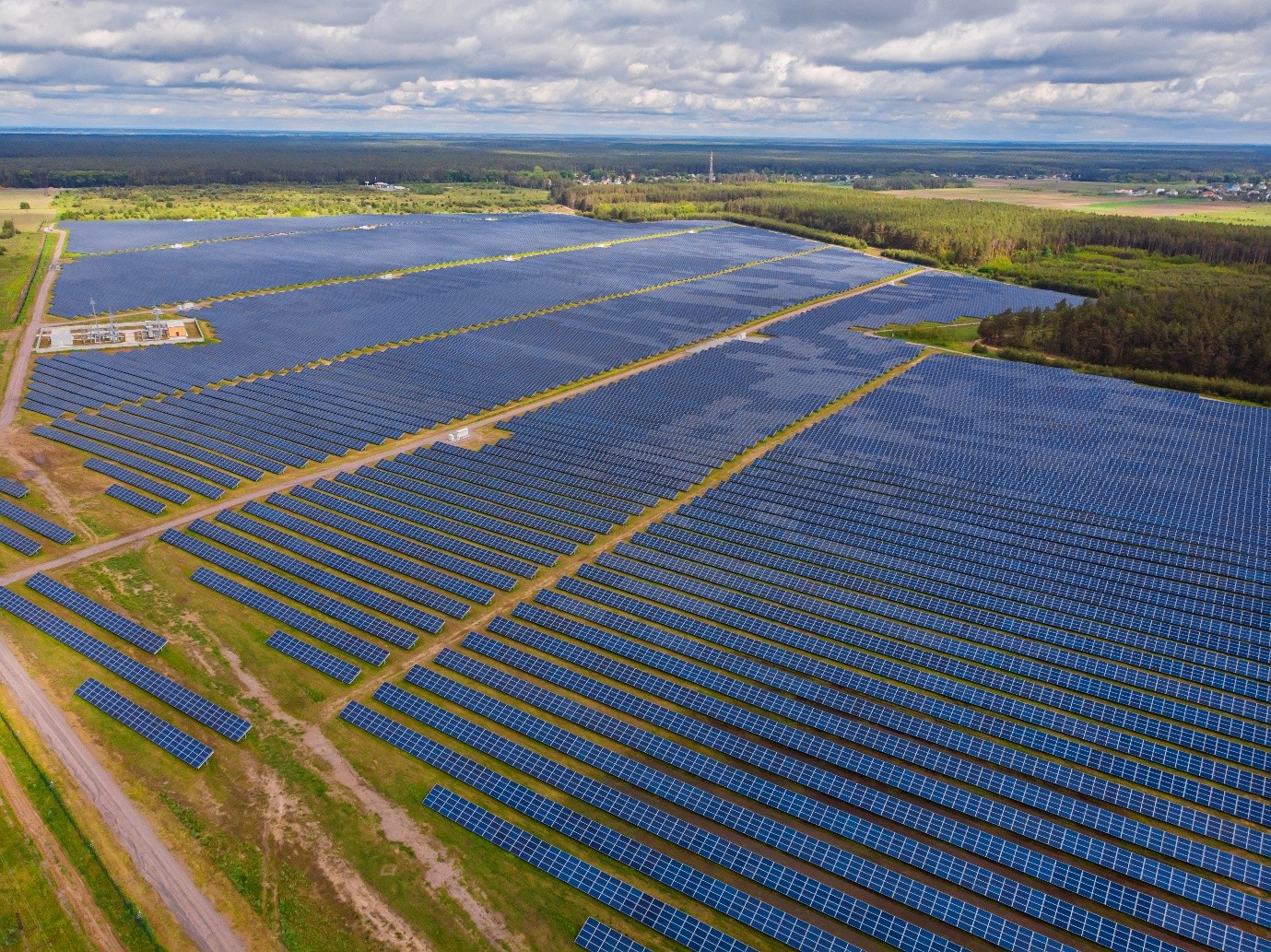
Fig.1: Solar Farm
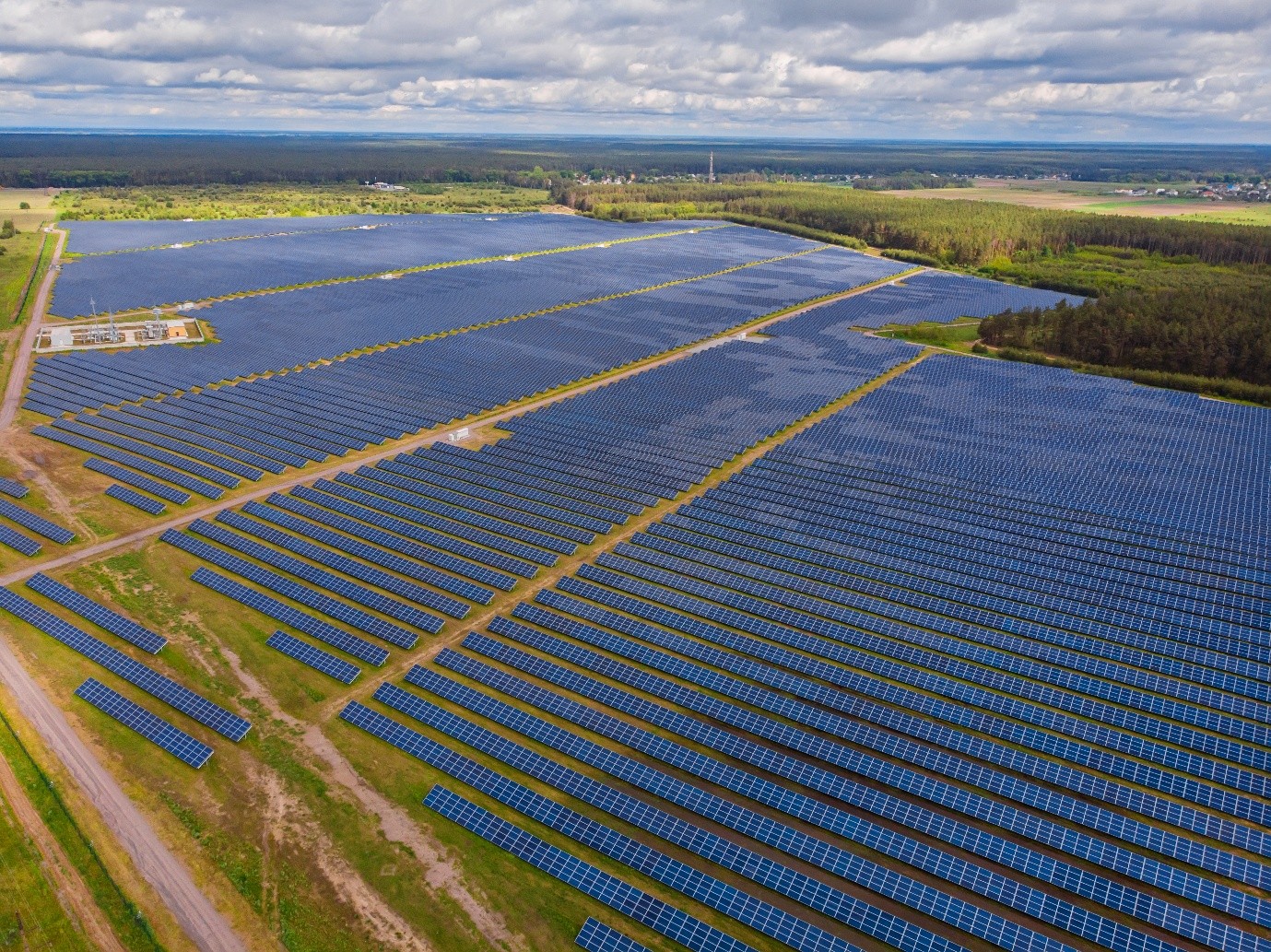
Against this backdrop, the global transition towards a greener economy has become a strategic priority. Expanding renewable energy capacity and diversifying the global energy mix are critical not only for reducing emissions, but also for managing energy security. Over-reliance on fossil fuels exposes countries to supply disruptions and price volatility. A more diversified and low-carbon energy system enhances resilience while supporting sustainable, long-term economic growth.
For businesses, a contribution to the green economy involves activities and investments that foster economic growth while simultaneously reducing environmental risks, increasing resource efficiency, cutting carbon emissions, and promoting social equity, amongst other goals. This includes shifts to renewable energy, circular economy models, sustainable agriculture, and green innovation, creating green jobs, and protecting natural capital.
Singapore’s energy landscape illustrates how decarbonisation and energy security are closely intertwined. As a country with no domestic oil or gas resources, Singapore is heavily reliant on imported fossil fuels to meet its energy needs. This dependence leaves the nation particularly vulnerable to global energy market fluctuations and international conflicts that can disrupt supply and drive price instability. Energy diversification therefore extends beyond climate considerations and plays a critical role in strengthening Singapore’s energy security.
Although physical constraints limit the scale of renewable energy deployment, continued investment in renewables remains essential. Recent initiatives, such as the deployment of floating solar panels across one-third of the Seletar Reservoir by 2029, demonstrate Singapore’s commitment to decarbonisation while enhancing energy resilience within its structural limitations.
As investors, we favour companies that proactively pursue opportunities to maximise the use of renewable energy while reducing reliance on fossil fuels. We value issuers that execute credible transition plans and take a holistic approach to decarbonisation across their entire value chain, recognising that such actions directly contribute to climate action and long-term resilience. In this context, the energy transition is not merely an environmental consideration, but a critical economic and strategic response to an evolving global risk landscape.
The Blueprint
With the ever-changing landscape around us, it can get overwhelming to stay up-to-date. The Blueprint highlights pertinent global Environmental, Social, and Governance (ESG) issues and their importance to investors and the wider community. We look forward to engaging in discussions about the interconnections between climate, nature, and social outcomes that impact our investments and our futures.
Important Information
This material is provided by Phillip Capital Management (S) Ltd (“PCM”) for general information only and does not constitute a recommendation, an offer to sell, or a solicitation of any offer to invest in any of the exchange-traded fund (“ETF”) or the unit trust (“Products”) mentioned herein. It does not have any regard to your specific investment objectives, financial situation and any of your particular needs.
The information provided herein may be obtained or compiled from public and/or third party sources that PCM has no reason to believe are unreliable. Any opinion or view herein is an expression of belief of the individual author or the indicated source (as applicable) only. PCM makes no representation or warranty that such information is accurate, complete, verified or should be relied upon as such. The information does not constitute, and should not be used as a substitute for tax, legal or investment advice.
The information herein are not for any person in any jurisdiction or country where such distribution or availability for use would contravene any applicable law or regulation or would subject PCM to any registration or licensing requirement in such jurisdiction or country. The Products is not offered to U.S. Persons. PhillipCapital Group of Companies, including PCM, their affiliates and/or their officers, directors and/or employees may own or have positions in the Products. This advertisement has not been reviewed by the Monetary Authority of Singapore.
