
Role of Cooperation in Climate and Nature Action
- Earth’s interconnected systems mean climate and nature action must be collective, as no country can address these challenges alone without global or regional cooperation.
- While multilateralism is weakening, regional efforts like ASEAN Energy Grid collaboration show how cooperation can still drive decarbonisation and climate action.
The Earth is made up of interconnected systems across four spheres: the biosphere, atmosphere, cryosphere, and geosphere. Interactions between these spheres enable life-giving processes on Earth, such as photosynthesis. The collapse of even a single sphere would lead to catastrophic impacts that go beyond economic distress and threaten the liveability of the planet. Because of this interdependence, climate and nature action cannot be addressed by one country alone without the rest of the world being involved.
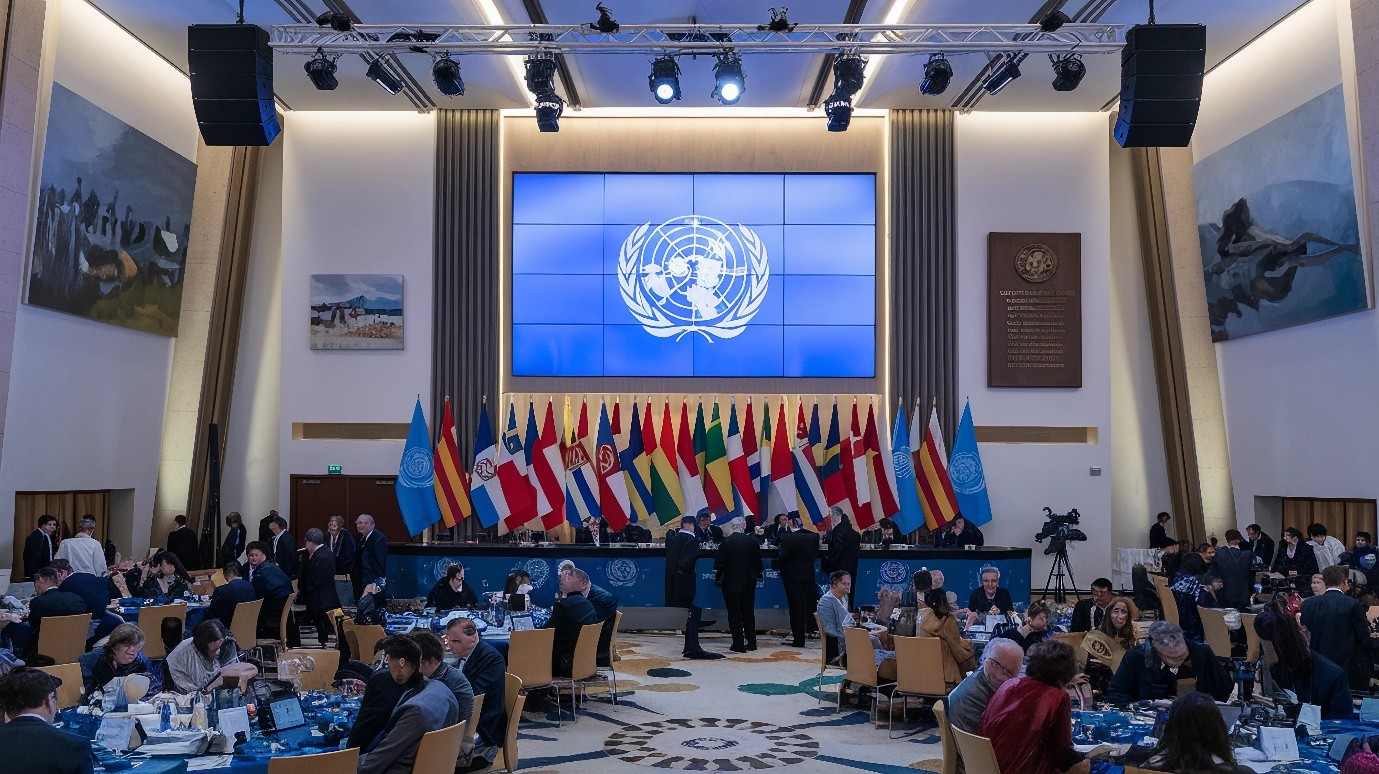
Fig.1: United Nations Meeting
However, with the rise of geopolitical conflicts, many countries have started looking inwards and moving away from globalisation. Most recently, President Trump withdrew the United States from 31 UN entities and 35 non-UN entities, including the UNFCCC, IPCC, and IUCN. These organisations play a critical role in advancing climate and nature action, particularly through research that informs policymaking across countries. Without them, policymakers would struggle to develop science-based policies that drive meaningful and positive impact. Such organisations also help align international efforts, improving efficiency and strengthening collaboration.
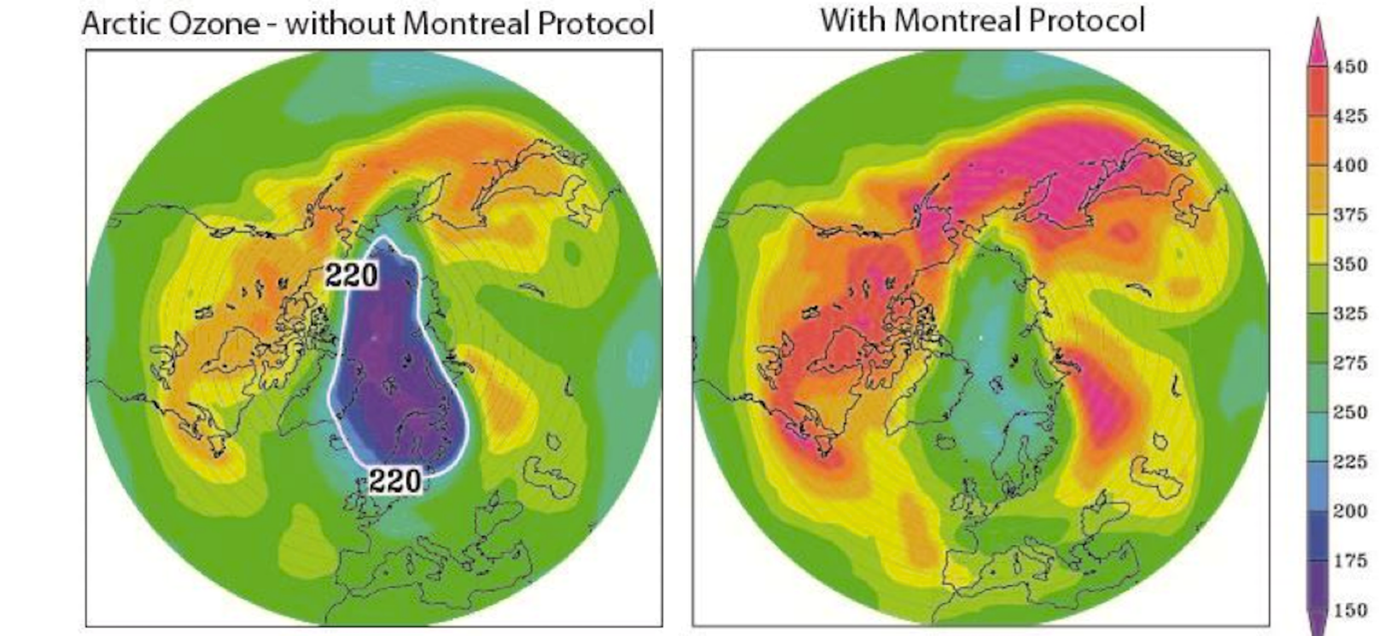
Fig.2: Closing of Ozone Hole
The Montreal Protocol demonstrates the success of multilateralism in action. Countries around the world came together to ban the use of chlorofluorocarbons (CFCs), leading to the recovery of the ozone layer. This rapid and effective outcome was only possible through international cooperation, where nations worked towards a shared goal with the understanding that people, planet, and profit must coexist rather than be mutually exclusive.
That said, the reality today is that globalisation and multilateralism are taking a back seat on the global stage. Nevertheless, there remains hope, as collaboration has not fully ceased. Instead, countries are increasingly turning towards bilateral, regional, and plurilateral forms of cooperation.
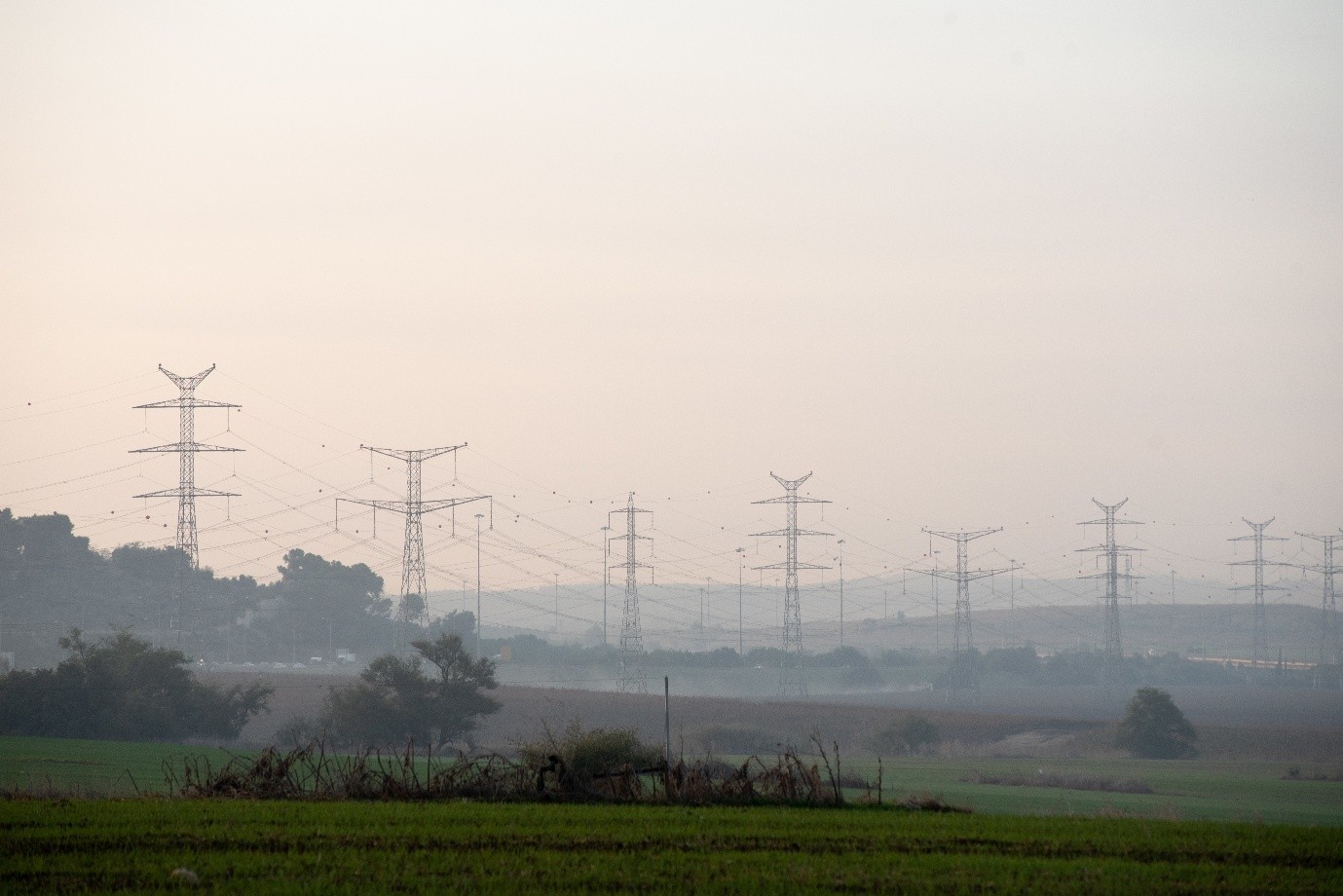
Fig. 3: Energy transmission
A close-to-home example is ASEAN. Through this regional pact, Southeast Asian countries collaborate on initiatives that promote economic growth alongside green development. One such initiative is the ASEAN Power Grid, where ten ASEAN countries are working together to integrate their energy systems to facilitate decarbonisation. A key project under this initiative is the Lao PDR–Thailand–Malaysia–Singapore (LTMS) Power Integration Project. This project demonstrates cross-border clean energy trading, with a long-term vision of fully integrated operations by 2045, despite challenges such as policy coordination and grid modernisation.
As a small nation-state, Singapore has limited capacity to green its power grid independently. Yet, the need to do so remains urgent, as no country is immune to the impacts of climate change. Such regional cooperation allows countries like Singapore to decarbonise their energy systems and progress towards meeting their nationally determined contributions.
As investors, we value companies that actively align their operations with global goals and seek opportunities to collaborate with other organisations. By doing so, companies contribute to SDG 17: Partnerships for the Goals. In particular, SDG 17.17 highlights how active partnerships encourage effective collaboration by building on shared experience, expertise, and resource strategies.
The Blueprint
With the ever-changing landscape around us, it can get overwhelming to stay up-to-date. The Blueprint highlights pertinent global Environmental, Social, and Governance (ESG) issues and their importance to investors and the wider community. We look forward to engaging in discussions about the interconnections between climate, nature, and social outcomes that impact our investments and our futures.
Important Information
This material is provided by Phillip Capital Management (S) Ltd (“PCM”) for general information only and does not constitute a recommendation, an offer to sell, or a solicitation of any offer to invest in any of the exchange-traded fund (“ETF”) or the unit trust (“Products”) mentioned herein. It does not have any regard to your specific investment objectives, financial situation and any of your particular needs.
The information provided herein may be obtained or compiled from public and/or third party sources that PCM has no reason to believe are unreliable. Any opinion or view herein is an expression of belief of the individual author or the indicated source (as applicable) only. PCM makes no representation or warranty that such information is accurate, complete, verified or should be relied upon as such. The information does not constitute, and should not be used as a substitute for tax, legal or investment advice.
The information herein are not for any person in any jurisdiction or country where such distribution or availability for use would contravene any applicable law or regulation or would subject PCM to any registration or licensing requirement in such jurisdiction or country. The Products is not offered to U.S. Persons. PhillipCapital Group of Companies, including PCM, their affiliates and/or their officers, directors and/or employees may own or have positions in the Products. This advertisement has not been reviewed by the Monetary Authority of Singapore.
