
The Tragedy of the Commons: Land Degradation
- Land degradation threatens biodiversity, food security, and Southeast Asia’s key commodity exports such as palm oil, coffee, and rice.
- Economic impacts include rising production costs passed to consumers, with low-income groups disproportionately burdened by higher prices for essential goods.
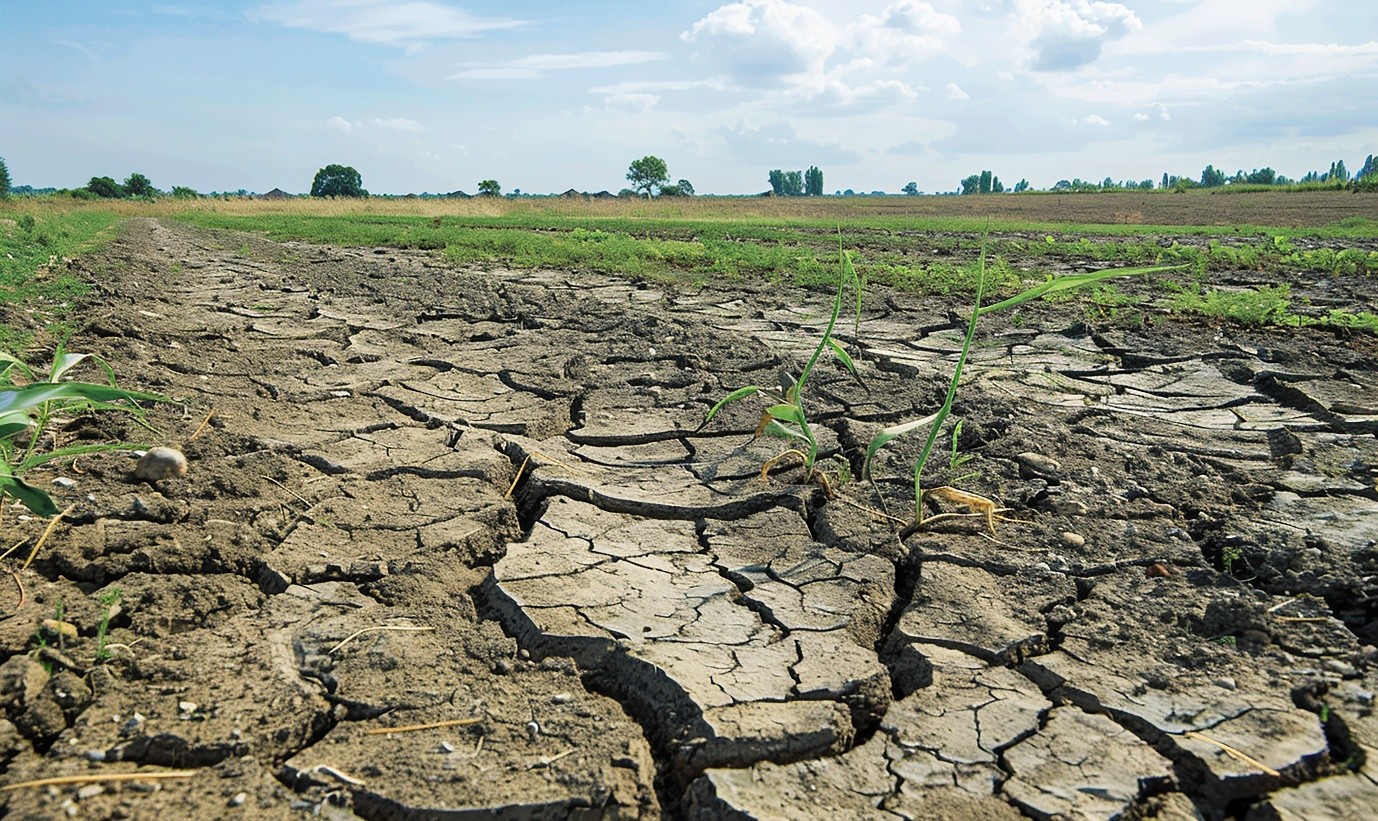
A third of the Earth’s land area is degraded, affecting more than 2.6 billion people and costing us as much as US$10.6 trillion every year in lost of ecosystem services. Land degradation and desertification, mainly due to deforestation and unsustainable land use, are amongst the most critical problems facing the world today. With these degradations, it can lead to a loss of biodiversity, harm plants and animals, cause sand and dust storms and affecting crop yield worldwide. These consequences affect the regulation of the planet’s climate and water cycle, socioeconomic activities, food security and forced migration of the human population.
Fig.1: Land Degradation
Land degradation occurs when the use of arable land exceeds its carrying capacity. With various competing demands for land, the pace of degradation accelerates as this capacity is breached at an unprecedented rate. In recent years, rapid urbanization, the expansion of cattle ranching, and the growing forestry industry have all placed increasing pressure on land resources, driving land degradation. These competing demands reflect the concept of the tragedy of the commons, a situation in which individuals with access to shared resources act in their own self-interest and, in doing so, ultimately deplete those resources. In today’s world, where consumption and production patterns remain unsustainable, the limited land available to support communities and economic growth will be unable to sustain these activities.
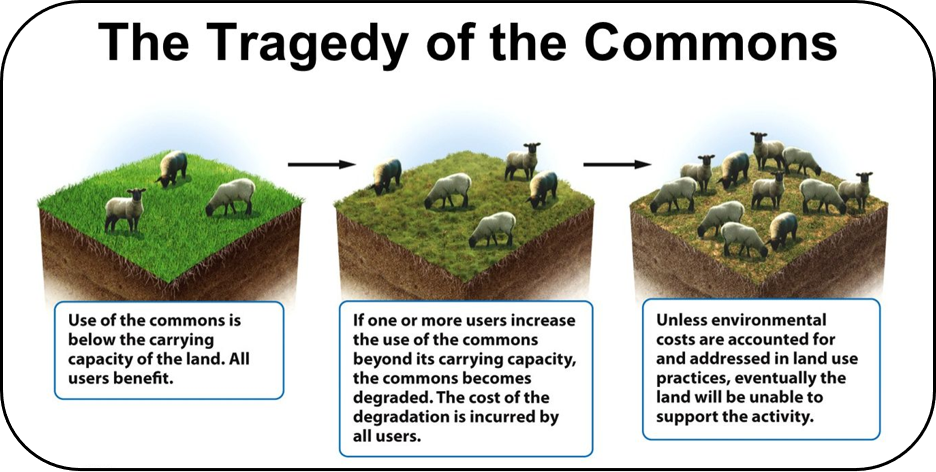
Fig.2: Concept of the Tragedy of the Commons
Globally, Southeast Asia (SEA) is a major exporter of key commodities, with five countries standing out: Malaysia, Indonesia, Vietnam, the Philippines, and Thailand. For instance, Malaysia and Indonesia together account for more than 90% of the world’s palm oil exports, while Vietnam is the second-largest coffee exporter. In the case of rice, four of the top ten rice-exporting countries are from SEA. However, increasing land degradation in the region threatens its ability to maintain such high levels of agricultural production. Consequently, companies reliant on these commodities are likely to face mounting challenges in the years ahead. Rising commodity prices will increase production costs for companies, which will then trickle down the value chain, ultimately raising retail prices. For companies selling goods that are price inelastic, consumers will likely continue purchasing despite higher prices. In contrast, firms dealing with price-elastic goods can expect a decline in sales volumes. Thus, land degradation directly contributes to rising costs and broader economic impacts.

Fig.3: Consumer goods
Yet, as profit-maximizing entities, companies are likely to pass any climate-related cost increases on to consumers. This means that everyday items, such as 3-in-1 coffee, Valentine’s Day chocolate, and even morning oatmeal, will become more expensive. In effect, the burden of inadequate environmental stewardship at the corporate level is borne by ordinary consumers like you and me. This situation heightens environmental injustice, as the impacts disproportionately affect lower-income groups. Rising prices for basic commodities increase the overall cost of living, leaving vulnerable households struggling to stay afloat as the cost of essential goods escalates.
As investors, we favour companies that operate sustainably and responsibly. The UN Sustainable Development Goal 12 highlights the importance of responsible consumption and production, including the sustainable management and use of natural resources. Companies must recognize that the climate risks driving rising operational costs affect not only their business but also the communities in which they operate. To move away from the tragedy of the commons, we reward companies that set globally aligned targets to manage their ESG risks and provide clear plans to achieve those goals that demonstrate stewardship of our shared resources.
The Blueprint
With the ever-changing landscape around us, it can get overwhelming to stay up-to-date. The Blueprint highlights pertinent global Environmental, Social, and Governance (ESG) issues and their importance to investors and the wider community. We look forward to engaging in discussions about the interconnections between climate, nature, and social outcomes that impact our investments and our futures.
Important Information
This material is provided by Phillip Capital Management (S) Ltd (“PCM”) for general information only and does not constitute a recommendation, an offer to sell, or a solicitation of any offer to invest in any of the exchange-traded fund (“ETF”) or the unit trust (“Products”) mentioned herein. It does not have any regard to your specific investment objectives, financial situation and any of your particular needs.
The information provided herein may be obtained or compiled from public and/or third party sources that PCM has no reason to believe are unreliable. Any opinion or view herein is an expression of belief of the individual author or the indicated source (as applicable) only. PCM makes no representation or warranty that such information is accurate, complete, verified or should be relied upon as such. The information does not constitute, and should not be used as a substitute for tax, legal or investment advice.
The information herein are not for any person in any jurisdiction or country where such distribution or availability for use would contravene any applicable law or regulation or would subject PCM to any registration or licensing requirement in such jurisdiction or country. The Products is not offered to U.S. Persons. PhillipCapital Group of Companies, including PCM, their affiliates and/or their officers, directors and/or employees may own or have positions in the Products. This advertisement has not been reviewed by the Monetary Authority of Singapore.
